
If energy bills are squeezing your budget, start with assistance before shopping for rebates.
Low income home energy assistance can mean bill help, weatherization, local rebates, or a mix.
The right first step depends on whether you need relief now or a more efficient home.
This guide separates LIHEAP, WAP, state rebates, ENERGY STAR offers, and tax credits so you know where to check next.
What low income home energy assistance means
Low income home energy assistance is not one single program. It is a set of public, state, utility, and product-based options that can help eligible households manage energy costs.
The help may come as bill payment support, emergency energy assistance, weatherization work, appliance or equipment rebates, or referrals to local programs. The best starting point depends on the problem in front of you: a current bill, an unsafe heating or cooling situation, a drafty home, or a planned upgrade.
The main programs to know are LIHEAP, the Weatherization Assistance Program, state Home Energy Rebates, ENERGY STAR rebates, utility offers, and federal tax-credit guidance. They overlap in purpose, but they do not work the same way.
USA.gov directs households looking for energy bill help to LIHEAP and related state assistance channels: https://www.usa.gov/help-with-energy-bills
The U.S. Department of Energy describes the Weatherization Assistance Program as a way to help low-income households reduce energy costs by improving home energy efficiency: https://www.energy.gov/cmei/scep/wap/weatherization-assistance-program
Why people search for this before applying
Most households are not trying to decode policy language. They are trying to avoid wasting time on the wrong form.
That matters because one program may help with a bill, while another improves the home itself. A utility discount may be separate from a state rebate. A federal tax credit may follow different rules from a state-administered rebate. Renters may also need to ask about owner or landlord requirements before property work begins.
A better search strategy is simple: match the problem to the program before you apply.
If the issue is urgent affordability, start with bill help. If the home is inefficient or uncomfortable, look at weatherization. If you are planning a purchase, check rebates and utility offers before buying. If the question is tax treatment, use current IRS guidance.
The main assistance paths to understand
LIHEAP helps with household energy bills
LIHEAP is usually the first program to check when the urgent issue is paying a heating, cooling, or household energy bill. USA.gov points people to the LIHEAP office in their state or territory, and state pages explain local rules.
California, New York, and Illinois all publish state-level energy assistance pages, but their processes and program details differ:
- California LIHEAP: https://www.csd.ca.gov/Pages/LIHEAPProgram.aspx
- New York HEAP: https://otda.ny.gov/programs/heap/
- Illinois utility bill assistance: https://dceo.illinois.gov/communityservices/utilitybillassistance.html
That is the key lesson. LIHEAP is a national program category, but application steps, seasons, documents, and benefit handling are local.
Use LIHEAP when the problem is immediate affordability, seasonal heating or cooling costs, emergency assistance, or a utility bill that needs direct help.
WAP focuses on the home itself
The Weatherization Assistance Program is different. WAP is about improving home energy performance for eligible households.
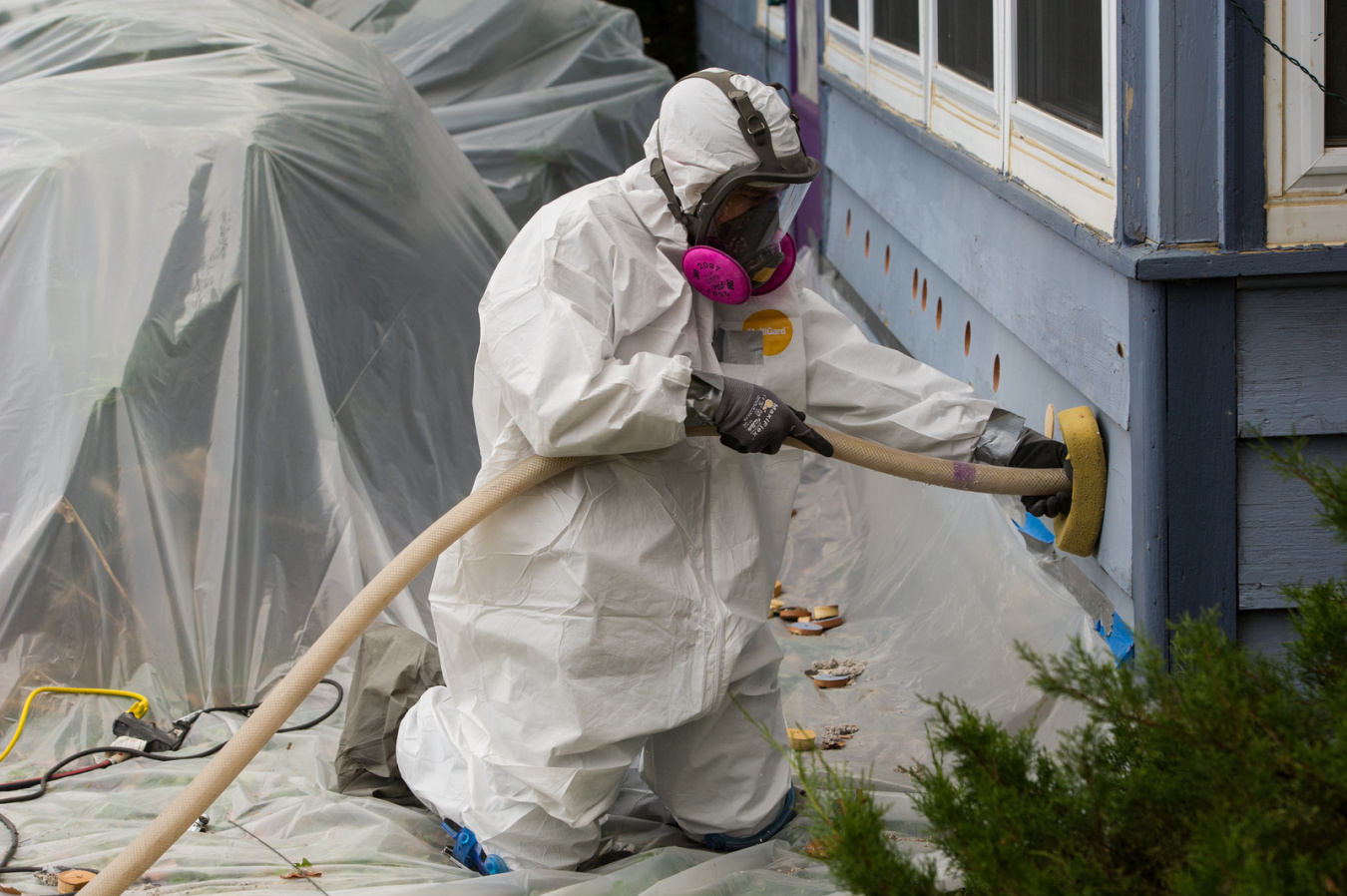
DOE materials describe weatherization work in terms such as insulation, air sealing, heating and cooling system work, and other measures that can reduce energy use. DOE also explains that households apply through state, tribal, or local weatherization providers, not through one national application form: https://www.energy.gov/cmei/scep/wap/how-apply-weatherization-assistance
WAP may be especially relevant when a home is drafty, uncomfortable, inefficient, or expensive to heat and cool.
Use WAP when the long-term issue is the condition of the home, not only the next bill.
Home Energy Rebates are state-run programs
DOE’s Home Energy Rebates program is another path, but it is not the same as LIHEAP or WAP. DOE explains the federal program framework, while states and territories administer their own rebate programs: https://www.energy.gov/cmei/scep/home-energy-rebates-program
That matters for 2026 readers because availability, eligible upgrades, income rules, and application steps can vary by location. A household should check its state energy office or official rebate page before making a purchase decision.
Use state Home Energy Rebates when you are planning an eligible upgrade and need to know whether your state has an active program for your household and project.
ENERGY STAR rebates can point to local offers
The ENERGY STAR Rebate Finder is useful when you already know the product or upgrade you are considering: https://www.energystar.gov/rebate-finder
This is a good second step after you identify your main need. For example, a household replacing a water heater may use ENERGY STAR to look for product-linked offers, while still checking state and utility rules.
Use ENERGY STAR when you need a practical search tool for eligible products and local offers.
Federal tax credits are a separate question
The IRS Energy Efficient Home Improvement Credit page explains federal tax-credit rules for certain qualifying improvements: https://www.irs.gov/credits-deductions/energy-efficient-home-improvement-credit
A tax credit is not the same as a rebate, utility discount, or bill-payment program. The timing can also feel different. A rebate may reduce cost closer to purchase, while a tax credit is handled through tax filing rules.
Use IRS guidance when the question is tax treatment, not immediate bill help.
Practical examples
If you need help with a current utility bill
Start with USA.gov’s energy bill help page, then go to your state LIHEAP or utility assistance page. Search by your state, county, or utility name.
Keep the query narrow. Use terms such as current bill, shutoff risk, heating assistance, cooling assistance, emergency assistance, or your utility’s assistance program.
A California household would check California’s LIHEAP page. A New York household would review the state HEAP page. An Illinois household would use the state utility bill assistance page. Those examples show why local pages matter more than national averages.
If your home is expensive to heat or cool
Start with DOE’s WAP information, then find the state or local weatherization provider.
This path is better suited for insulation, air sealing, heating and cooling efficiency, and related home improvements. It is less about a one-time bill and more about making the home use energy more efficiently.
If you rent, ask the local provider how renter applications work. Weatherization can involve the property itself, so the process may include owner or landlord requirements.
If you are planning an upgrade
Start with your state’s official Home Energy Rebates page or DOE’s state rebate information, then compare ENERGY STAR offers and utility programs.
Do this before buying equipment or signing a contractor agreement. Some programs require preapproval, specific equipment standards, income documentation, approved contractors, or a defined application sequence.
If you are replacing a heat pump or water heater
Look at state rebates, utility offers, ENERGY STAR rebates, and current IRS guidance that applies to your project.
These programs may have different eligibility rules, so do not assume one approval means another benefit is automatic. A useful order is state rebate page first, utility page second, product rebate search third, and tax guidance last.
Common mistakes to avoid
Treating every program as a rebate
LIHEAP, WAP, rebates, utility discounts, and tax credits are not interchangeable. They can all reduce energy burden, but they work through different agencies and rules.
The easiest way to avoid confusion is to name your goal first: pay a bill, fix the home, buy equipment, or review tax options.
Assuming national benefit amounts apply everywhere
Energy assistance is often administered locally. Benefit levels, application dates, documents, income limits, and eligible costs can change by state or utility.
Use national pages to understand the program category. Use official state, territory, tribal, local, or utility pages to make decisions.
Buying before checking program rules
Some rebate and weatherization programs may have application steps before work begins. Others may require a specific product, contractor, income category, or household documentation.
Before purchasing, check the official program page and save copies of the current requirements.
Depending only on private rebate lists
Private guides can help you discover terms to search, but official sources should decide what you trust.
For eligibility, deadlines, benefit type, application steps, and tax treatment, rely on government, utility, ENERGY STAR, or IRS pages.
When this guide should be updated
This article should be reviewed when DOE updates Home Energy Rebates program guidance, when states open or close major rebate programs, when LIHEAP or HEAP application periods change, when IRS energy-credit guidance changes, or when a featured state example changes its official assistance page.
A practical update trigger is any new state launch, major funding change, IRS rule update, or official utility assistance change that affects how a household applies.
Read more
If you are comparing broader energy savings options, start with the Energy Savings Hub: https://itdigitalcore.com/energy-savings-hub/
For state-level rebate searching, see Energy Rebates by State: https://itdigitalcore.com/energy-rebates-by-state/
If your project involves heat pump incentives, read Heat Pump Rebates by State in 2026: https://itdigitalcore.com/heat-pump-rebates-by-state-2026/
FAQ
Is LIHEAP the same as weatherization?
No. LIHEAP is generally used for household energy bill assistance. WAP focuses on home energy improvements that can reduce energy costs over time.
Can renters apply for low income home energy assistance?
Renters may be able to apply for bill assistance, and they may be eligible for weatherization depending on local rules. For property work, the local provider can explain any owner or landlord requirements.
Where should I check first for 2026 energy rebates?
Start with official state energy office pages, DOE Home Energy Rebates information, ENERGY STAR’s Rebate Finder, and your utility’s rebate page. Use private lists only as discovery tools.
Do energy rebates replace federal tax credits?
No. Rebates and tax credits are different. Rebates may be tied to a state, utility, or product program, while federal tax credits follow IRS rules.
Can I combine LIHEAP, weatherization, rebates, and utility offers?
Sometimes different programs can address different needs, but stacking rules vary. Check each official program before assuming benefits can be combined.