
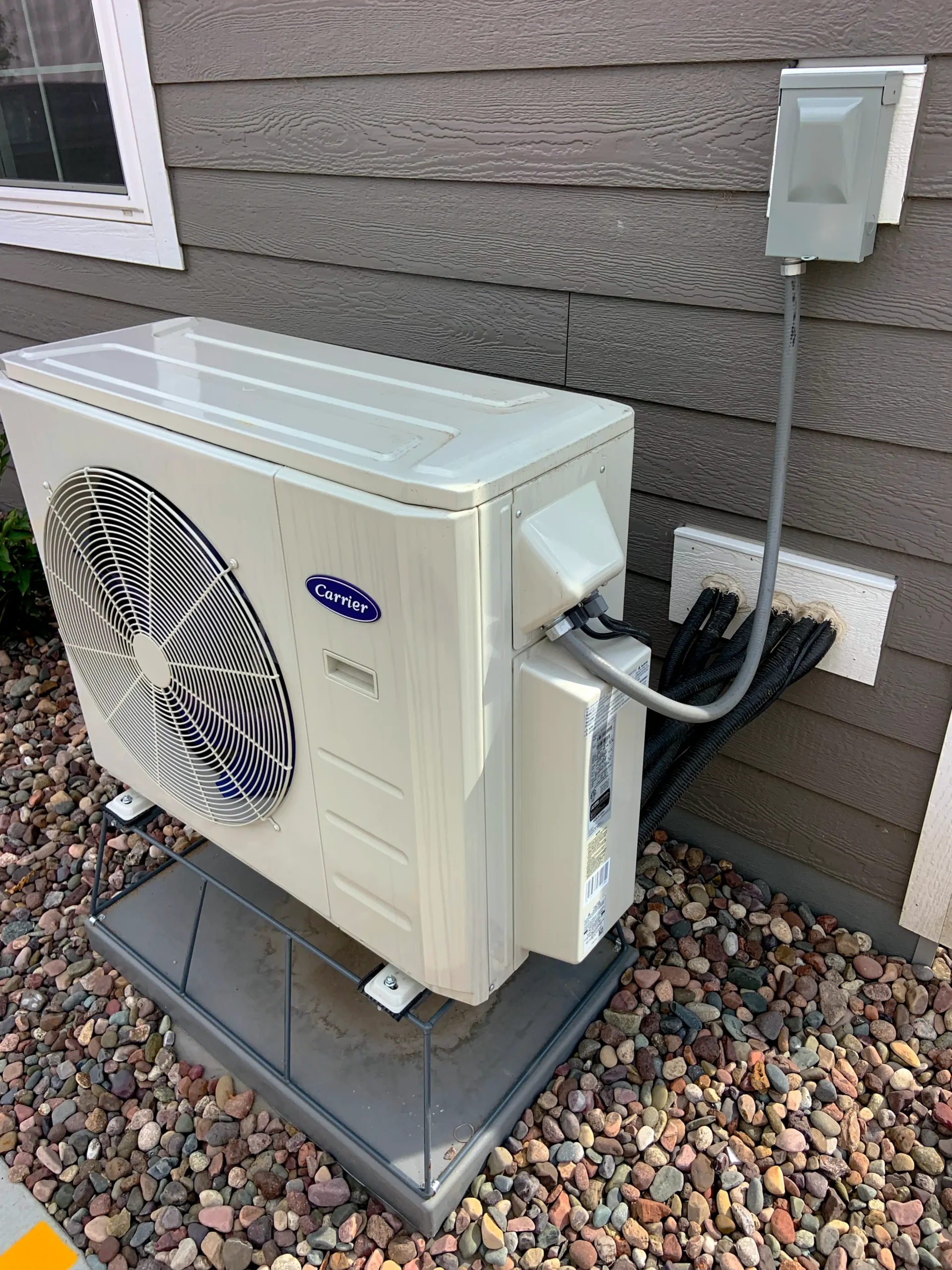
Home energy savings can feel scattered because rebates, tax credits, and utility offers do not all live in one place.
The Energy Savings Hub gives you a clearer starting point.
It helps you separate federal resources, state rebate paths, ENERGY STAR offers, IRS tax-credit pages, and local utility checks.
Use it to plan your next question before you plan your next purchase.
What the Energy Savings Hub is
The Energy Savings Hub is an official U.S. Department of Energy starting point for household energy-saving information. It points readers toward DOE guidance on saving energy, understanding home upgrades, and finding related resources.
That matters because home energy incentives are not one single program. A homeowner may need to compare a DOE resource, a state or territory rebate program, a Tribal program, an ENERGY STAR offer, an IRS tax-credit page, and a local utility offer before knowing which next step fits.
Think of the hub as a map, not an approval desk. It can point you toward the right kind of resource, but it does not replace a rebate application, a tax filing resource, or a contractor quote.
Why people search for the Energy Savings Hub
People usually search for the Energy Savings Hub when they are close to a practical decision. They may be comparing equipment upgrades, weatherization, rebates, local offers, or the tax-credit path for a home energy project.
The search often starts broad, but the answer depends on details. Location, product type, program administrator, timing, income rules, project scope, and documentation can all affect what the reader should check next.
A hub approach helps because it turns a messy search into a few clearer paths:
- DOE guidance for home energy upgrades and energy-saving ideas.
- State, territory, or Tribal channels for Home Energy Rebates.
- ENERGY STAR searches for rebates and partner special offers.
- IRS resources for home energy tax-credit questions.
- Local utility pages for city, municipal, co-op, or service-area programs.
The payoff is simple: spend less time guessing which page matters and more time checking the source that actually fits the project.
Energy Savings Hub concepts to understand first
Start with the difference between a rebate and a tax credit.
A rebate is usually tied to a specific program and its rules. For Home Energy Rebates, the DOE describes a program structure administered through state, territory, or Tribal channels. That means the official place to check details may depend on where the home is located and which administrator handles the program.
A tax credit is different. Tax-credit questions should be routed to IRS resources, including the IRS page on home energy tax credits and Form 5695, the IRS form associated with residential energy credits.
An ENERGY STAR offer is another path. The ENERGY STAR Rebate Finder can help readers search by ZIP code and product category for rebates or special offers.
A local utility offer may sit outside those federal pages. Utilities, cities, co-ops, municipal providers, and regional programs can set their own service-area rules and application steps.
Once those paths are separate, the Energy Savings Hub becomes easier to use. You are not asking one page to answer every eligibility question. You are using it to identify which official source should answer the next one.
Practical examples of what you might check
The DOE Home Upgrades guidance points readers toward common home energy improvement categories. Examples can include heating and cooling equipment, insulation, air sealing, weatherization, efficient appliances, water heaters, windows, doors, skylights, home energy audits, solar, geothermal, and battery storage.
Those examples are planning cues, not automatic incentive promises. Seeing heat pumps, insulation, or efficient appliances in energy-saving guidance does not mean every household qualifies for the same rebate or credit.
A practical search flow might look like this:
- Start at the Energy Savings Hub to understand the broad resource paths.
- Use DOE home-upgrade guidance to identify the kind of project you are considering.
- Check whether Home Energy Rebates information points you to a state, territory, or Tribal administrator.
- Use the ENERGY STAR Rebate Finder for product-category and ZIP-code offer searches.
- Use IRS pages for federal tax-credit questions and filing-related resources.
- Check your utility or city program page for local offers.
This order helps you avoid a common trap: planning around a general article instead of checking the program source that will actually govern the offer.
Common mistakes when using the Energy Savings Hub
The first mistake is assuming every rebate is federal. The DOE can explain and route readers to program information, but many rebate details depend on the administrator for the household location.
The second mistake is treating a ZIP-code lookup as final approval. A ZIP search can surface possible offers, but the offer page and program rules still matter.
The third mistake is mixing up rebates and tax credits. A rebate may reduce a project cost through a program. A tax credit is handled through tax rules and IRS resources. They can relate to similar kinds of upgrades, but they are not the same process.
The fourth mistake is relying only on old summaries. Energy programs can change as administrators update rules, funding, covered categories, or application processes. For the final planning step, use the current official page for the program you are considering.
The fifth mistake is treating a general guide as tax, legal, contractor, or application advice. A guide can help you understand where to look. Situation-specific questions belong with the official program page, IRS resource, utility page, or qualified professional.
When this guide should be updated
This article should be reviewed when DOE changes the Energy Savings Hub or Home Upgrades pages, when DOE Home Energy Rebates guidance changes, when ENERGY STAR changes the Rebate Finder experience or offer coverage, or when IRS home energy credit resources change.
It should also be updated when It Digital Core publishes or revises related articles that give readers a better next step for state, ZIP, utility, or ENERGY STAR rebate searches.
That update rhythm keeps the guide useful without turning it into a live state-status tracker.
Read more
Use these related guides when you are ready to narrow the search:
- Energy Rebate Finder by State and ZIP: How to Check Rebates Before You Apply
- ENERGY STAR Rebates: How Partner Special Offers Work
- Home Energy Rebates by State: What to Check Before You Apply
- Home Energy Rebates by State and City: How to Check Local Utility Savings
FAQ
What is the Energy Savings Hub?
The Energy Savings Hub is an official U.S. Department of Energy starting point for household energy-saving resources, home-upgrade guidance, rebate information paths, and related tools.
Is the Energy Savings Hub the same as a rebate application?
No. It is a navigation resource. Rebate details and application steps may depend on a state, territory, Tribal, utility, or local program administrator.
How are rebates different from tax credits?
A rebate is usually connected to a specific program and its rules. A tax credit is handled through tax resources, including IRS guidance and forms such as Form 5695.
Can I check energy rebates by ZIP code?
Yes, some tools let you search by ZIP code and product category. The ENERGY STAR Rebate Finder is one official place to look for rebates and special offers.
What should I check before planning a home energy upgrade?
Check the project type, location, program administrator, ENERGY STAR or utility offers, IRS resources for tax-credit questions, and the documentation requested by the relevant program.