
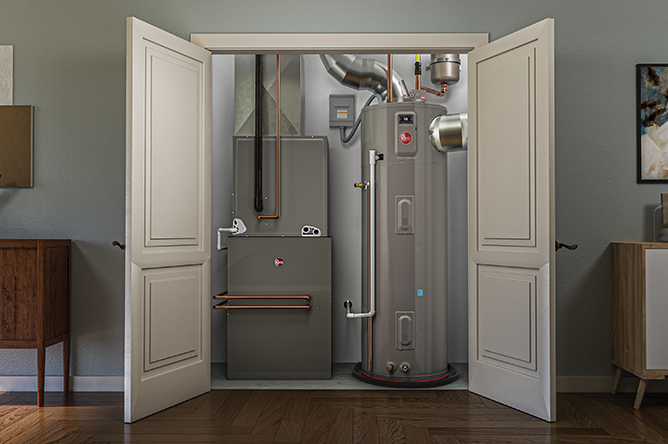
Heat pump water heater tax credits in 2026 can make an efficient upgrade easier to afford.
The catch is that the rules depend on timing, paperwork, and the tax year involved.
For many households, the real question is not just whether the appliance is efficient.
It is whether the project, records, and rebates line up before filing or buying.
What the heat pump water heater tax credit means in 2026
The heat pump water heater tax credit is part of the federal Energy Efficient Home Improvement Credit. For eligible heat pump water heater projects, the credit can be worth 30% of qualified project costs, up to an annual $2,000 cap for that category.
In practical terms, a qualifying household that installed an eligible heat pump water heater in the covered filing window may use IRS Form 5695 when claiming the credit on a federal tax return. The IRS, ENERGY STAR, and manufacturer documentation are the sources to check before treating a model or project as eligible.
The important 2026 distinction is timing. For some readers, 2026 is the filing year for a prior installation. For others, it is the planning year for a future purchase. Eligibility depends on the placed-in-service date, product requirements, qualified costs, and IRS rules for the tax year involved.
Official references:
- IRS: Energy Efficient Home Improvement Credit
- ENERGY STAR: Heat Pump Water Heaters Tax Credit
- IRS: About Form 5695
Why people search this before buying or filing
A heat pump water heater is usually a planned purchase, not an impulse upgrade. Homeowners often search this topic when one of three decisions is close:
- They already installed a heat pump water heater and want to know how to claim the credit.
- They are comparing a standard electric water heater with a hybrid heat pump model.
- They want to combine a federal credit with state, city, utility, or DOE-backed rebate programs.
That timing matters because each incentive works differently. A utility rebate may reduce the price you pay or reimburse part of the project. A federal tax credit is generally handled later, when you file your return.
The best move is to map incentives before signing a quote. That gives you time to confirm the model, ask the installer for documentation, and avoid assuming every discount stacks the same way.
The core rules to understand
The credit can be worth up to $2,000
For eligible heat pump water heater projects, the federal credit can be 30% of qualified costs, capped at $2,000 per year for this category. The cap matters because a higher project price does not automatically create a larger federal credit.
For example, if qualified costs are $4,000, 30% would be $1,200. If qualified costs are $8,000, 30% would be $2,400, but the category cap can limit the federal credit to $2,000.
The credit is not the same as a cash rebate
A tax credit reduces federal income tax liability through the tax return. It should not be treated as an instant register discount or guaranteed cash payment.
That distinction matters for budgeting. If a contractor quote mentions incentives, ask whether the price shown is before incentives, after utility rebates, or after an estimated federal tax credit.
Product eligibility depends on more than marketing language
ENERGY STAR guidance is a strong starting point, but it is not the only record to keep. Homeowners should save the invoice, model number, installation date, manufacturer documentation, and any available qualified manufacturer or product identification information.
This paper trail matters because a product title, store listing, or contractor shorthand may not be enough by itself when you are preparing tax records.
Rebates can change the math
State, city, utility, and DOE Home Energy Rebates programs can reduce the cost of a project. The DOE Home Energy Rebates Program is administered through states, so availability can vary by location and timing.
When a rebate or subsidy reduces your project cost, it can also affect the cost basis used for a federal tax credit calculation. That is why the order, amount, and type of incentive matter.
DOE reference: Home Energy Rebates Program
Practical examples
Example 1: You installed an eligible unit in 2025 and file in 2026
A homeowner installed a qualifying heat pump water heater in 2025 and paid eligible project costs. In 2026, they prepare the 2025 federal return and use IRS Form 5695 to claim the applicable credit.
The takeaway: 2026 may be the filing year, even when the installation happened earlier.
Example 2: You are shopping in 2026 and comparing incentives
A homeowner gets two quotes: one for a standard electric water heater and one for a hybrid heat pump water heater. The hybrid model costs more up front, but may qualify for local rebates or other incentives.
The takeaway: compare verified final costs, not just sticker prices. A higher-efficiency model can look different after local rebates and tax treatment are considered.
Example 3: Your utility offers a rebate
A utility rebate lowers the customer’s project cost or reimburses part of the purchase. That can make the upgrade more affordable, but it may also change the amount used when calculating a federal credit.
The takeaway: save the rebate approval, final invoice, and program terms so your filing records match the actual project cost.
Common mistakes to avoid
Assuming every heat pump water heater qualifies
Do not rely only on a product name, store badge, or contractor description. Confirm that the model and installation meet the applicable program rules.
Treating the credit as guaranteed cash
A federal tax credit is handled through the tax return. It is different from an instant rebate, utility bill credit, or direct discount.
Ignoring the annual cap
The $2,000 cap can limit the federal credit even when 30% of qualified project costs is higher.
Forgetting documentation
Keep receipts, invoices, model details, installation dates, manufacturer documentation, and rebate records. Missing paperwork can make a reasonable claim harder to support.
Stacking incentives without checking cost basis
Multiple incentives can help, but they do not always stack in a simple dollar-for-dollar way. Rebates, subsidies, and tax credits can interact through project-cost calculations.
How to check eligibility before you claim
Start with the IRS Energy Efficient Home Improvement Credit page. Then compare the appliance against ENERGY STAR guidance and manufacturer documentation.
Next, review Form 5695 for the tax year you are filing. That is the form used to report residential energy credit information on a federal return.
Finally, search your state energy office, city program, and utility website for active rebates. DOE Home Energy Rebates are state-administered, so local availability can differ from national headlines.
A useful record folder should include:
- Final invoice showing the project cost
- Installation or placed-in-service date
- Manufacturer name and model number
- ENERGY STAR or manufacturer eligibility documentation
- Any available QMID or qualified manufacturer documentation
- Utility, state, city, or DOE rebate approval records
- Form 5695 records used for filing
When this article should be updated
This guide should be updated when the IRS changes Energy Efficient Home Improvement Credit guidance, Form 5695, qualified manufacturer requirements, or federal credit dates.
It should also be updated when DOE Home Energy Rebates availability changes in major states, or when ENERGY STAR revises its heat pump water heater tax-credit guidance.
For readers, the practical rule is straightforward: use this article to understand the framework, then check the current IRS, ENERGY STAR, DOE, state, and utility pages before making a purchase or filing a claim.
Read more
- Heat Pump Tax Credits & Rebates: 2026 Federal Guide
- Heat Pump Rebates by State in 2026: How to Find Active Programs
- 2026 Energy Rebates: IRA + State Stacking
FAQ
Can I claim up to $2,000 for a heat pump water heater in 2026?
You may be able to claim up to $2,000 when filing for an eligible heat pump water heater project that meets IRS rules for the tax year involved. Check the placed-in-service date, qualified costs, Form 5695, and current IRS guidance before filing.
Is the heat pump water heater tax credit refundable?
Do not treat the credit as guaranteed cash. It is claimed through the federal tax return, and Form 5695 guidance should drive the filing treatment.
Does ENERGY STAR approval automatically mean I get the credit?
No. ENERGY STAR guidance is important, but eligibility also depends on IRS rules, product documentation, manufacturer requirements, cost treatment, and filing details.
Can I combine a federal tax credit with a utility rebate?
Many homeowners look for both, but rebates can affect qualified cost calculations. Keep all rebate records and review IRS guidance before calculating the credit.
Where should I look for local heat pump water heater rebates?
Start with your state energy office, utility website, city sustainability program, ENERGY STAR rebate tools, and DOE Home Energy Rebates information for your state.