
2026 energy rebates can look generous before the rules are applied.
The difference is stacking: several incentives may help one project, but not always at full value.
Some savings reduce the price immediately. Others depend on state programs, utility paperwork, or tax rules.
This guide shows how to compare those layers without double-counting the same project cost.
What Rebate Stacking Means
Rebate stacking means using more than one incentive for the same home energy project. A heat pump, insulation job, electrical panel upgrade, water heater, or weatherization project may involve a state rebate, a utility offer, a retailer discount, a manufacturer promotion, and a federal tax credit.
The important word is may. Stacking is not automatic. Each program can set its own eligibility rules, timing, income limits, product standards, contractor requirements, and treatment of other incentives.
A practical stacking review starts with four questions:
- Which incentive applies first at checkout or on the contractor invoice?
- Which incentive applies later after installation?
- Does one rebate reduce the eligible cost for another claim?
- Does any program prohibit using another incentive for the same measure?
That sequence matters. A large advertised number can shrink once timing, documentation, and cost-basis rules are applied.
Why People Search for 2026 Energy Rebates
Homeowners usually search for 2026 energy rebates when a purchase is close. They may be replacing HVAC equipment, planning insulation, upgrading a water heater, or trying to reduce monthly utility costs before hiring a contractor.
The search intent is practical: should you do the project now, wait for a state program, or combine federal, state, utility, and retailer savings?
The clearest answer is to start with the incentive that controls the purchase decision. Then add the other layers only when the rules allow them.
For many households, that means checking state-administered Home Energy Rebates, local utility programs, ENERGY STAR rebate listings, DSIRE, and current IRS credit pages before signing a contract.
The Core Incentive Layers to Check
IRA-funded state Home Energy Rebates
The U.S. Department of Energy describes Home Energy Rebates as state-administered programs funded through federal law. Availability depends on state launch status and local implementation, so the same project can have very different rebate access depending on where the home is located.
These programs are commonly discussed through two broad tracks: home efficiency rebates and home electrification and appliance rebates. Details can include income rules, project type, measured or modeled savings, product eligibility, and approved contractor or program steps.
For homeowners, the key point is simple: do not treat IRA-funded state rebates as a nationwide checkout coupon. Check the official DOE or state program pathway first.
Source: DOE Home Energy Rebates Program
Federal home energy tax credits
Federal tax credits work differently from rebates. A rebate may reduce the purchase price or provide a program payment. A tax credit is handled through tax filing rules and depends on current IRS requirements.
Official IRS and ENERGY STAR pages for major home energy credits identify property timing rules through December 31, 2025 for the Energy Efficient Home Improvement Credit and the Residential Clean Energy Credit. For 2026 planning, treat federal credit availability as a rule to check directly at the IRS or ENERGY STAR source before relying on it in a budget.
This article does not assume broad 2026 federal tax-credit availability for new projects. It focuses on the stacking method homeowners can use when a current federal credit, state rebate, utility incentive, or local offer applies.
Sources: IRS Energy Efficient Home Improvement Credit, IRS Residential Clean Energy Credit, ENERGY STAR Federal Tax Credits
Utility and local rebates
Utilities, municipalities, and regional energy programs often run their own offers. These can depend on equipment type, efficiency rating, home location, fuel switching, income, or program participation.
Utility rebates matter because they may be available when a state-administered program is not open in your area. They may also have narrow application windows, pre-approval steps, or contractor requirements.
Use the utility offer as a separate layer, not as proof that another program will stack automatically.
Manufacturer and retailer offers
Manufacturer and retailer promotions can reduce the purchase price, especially for appliances and HVAC equipment. These offers are useful, but they may not carry the same documentation value as official government or utility programs.
Keep receipts, product model numbers, installation invoices, rebate confirmations, and dated program pages. If another program asks for the net cost after discounts, those records help prevent double-counting.
A Practical Stacking Example
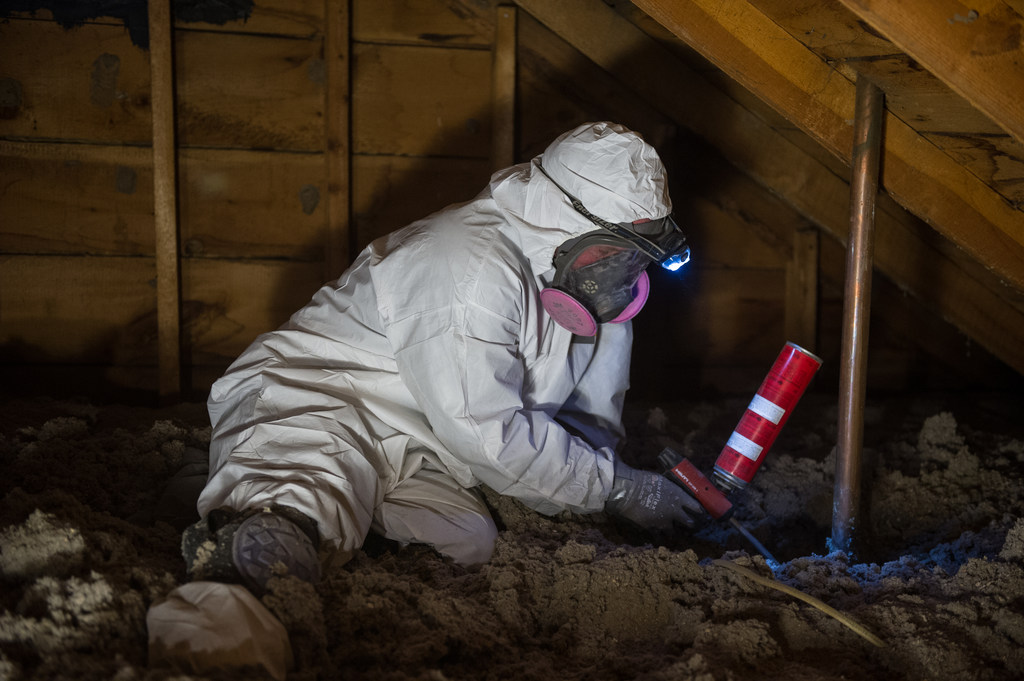
Imagine a homeowner planning attic air sealing and insulation.
The first layer is the state or local weatherization program. If a rebate pathway is active, the homeowner checks eligibility, income rules, contractor requirements, and whether pre-approval is needed before work begins.
The second layer is the utility. The homeowner checks whether the electric or gas utility offers insulation, air sealing, or home energy assessment incentives.
The third layer is any product, contractor, manufacturer, or retailer discount. That discount may reduce the invoice before any later claim is calculated.
The fourth layer is any current federal tax credit or tax treatment that applies under IRS rules. The homeowner checks the official IRS page and keeps documentation from the installed project.
The final number is not every advertised offer added together. It is the amount left after eligibility, timing, cost basis, and program restrictions are applied.
How to Avoid Double-Counting Savings
Double-counting happens when the same dollar of project cost is treated as eligible for multiple full-value incentives.
A safer method is to build a simple cost stack:
Project price before incentives: the contractor quote or retail price.
Instant discounts: retailer, manufacturer, or point-of-sale program reductions.
Program rebates: state, utility, or local rebates applied under their rules.
Remaining eligible cost: the amount still eligible for any later claim, if allowed.
Tax filing step: any current credit claimed under IRS rules, based on eligible cost and documentation.
IRS Announcement 2024-19 addresses how certain rebates may be treated for federal income tax purposes. Use official guidance when a rebate affects tax calculations, not a general online estimate.
Source: IRS Announcement 2024-19
Common Mistakes With IRA, State, and Utility Stacking
Assuming every state has the same rebate status
DOE Home Energy Rebates are state-administered. A program active in one state may be unavailable, paused, or structured differently in another.
Counting a tax credit as an instant rebate
A tax credit is not a point-of-sale discount. It may affect tax filing later, subject to IRS rules.
Signing before checking pre-approval rules
Some rebates require application steps before installation. If a program requires pre-approval, signing too early can cost the homeowner the incentive.
Ignoring product requirements
Many programs care about efficiency levels, ENERGY STAR qualification, equipment category, or installation standards. A similar-looking product may not qualify.
Using old rebate pages as current proof
Rebate programs change. A saved screenshot or contractor flyer is less reliable than the current official program page.
Where to Check Before You Apply
Start with official and high-signal sources:
- DOE Home Energy Rebates Program for state-administered IRA-funded rebate status.
- IRS home energy credit pages for federal tax-credit rules.
- ENERGY STAR Rebate Finder for product and location-based offers.
- DSIRE for a broader database of state, local, utility, and policy incentives.
- Your utility and state energy office for current application rules.
The best workflow is to collect program pages before calling contractors. Then ask the contractor which incentives they can document, which require pre-approval, and which are outside their control.
When This Article Should Be Updated
This guide should be reviewed whenever one of these changes occurs:
- DOE announces new state Home Energy Rebates availability or program changes.
- IRS updates home energy credit pages or publishes new guidance affecting eligible costs.
- ENERGY STAR changes federal tax-credit guidance or rebate finder coverage.
- A major utility, state energy office, or DSIRE listing changes eligibility for common upgrades.
- Congress changes the legal framework for federal home energy incentives.
Those update triggers matter because stacking advice depends on live program rules. The method is durable, but the available layers can change.
Read more
For a broader overview of the rebate landscape, read Energy Rebates 2026: Your Complete Guide to Federal, State & Utility Savings.
If your project is HVAC-focused, use Heat Pump Rebates & Incentives: Complete Guide (2025) as the next step.
For insulation, air sealing, and home envelope projects, see Weatherization Rebates & Incentives Guide (2026).
FAQ
Can IRA rebates stack with state and utility rebates?
Sometimes. IRA-funded Home Energy Rebates are state-administered, and each program can set rules for eligibility, timing, documentation, and interaction with other incentives. Check the state program and utility rules before assuming full stacking.
Are 2026 energy rebates available in every state?
No. State-administered rebate availability varies by state and program status. Use DOE, your state energy office, and local utility pages to see what is open where you live.
Is a federal tax credit the same as a rebate?
No. A rebate may reduce the project cost directly or through a program payment. A federal tax credit is handled through tax rules and filing requirements.
What should I check before signing a contractor quote?
Check whether the incentive requires pre-approval, whether the equipment qualifies, whether the contractor is eligible, and whether other rebates reduce the amount you can claim later.
Where can I find local energy rebates?
Start with ENERGY STAR Rebate Finder, DSIRE, your state energy office, and your utility. Then compare those results with the current DOE and IRS pages for federal program rules.