
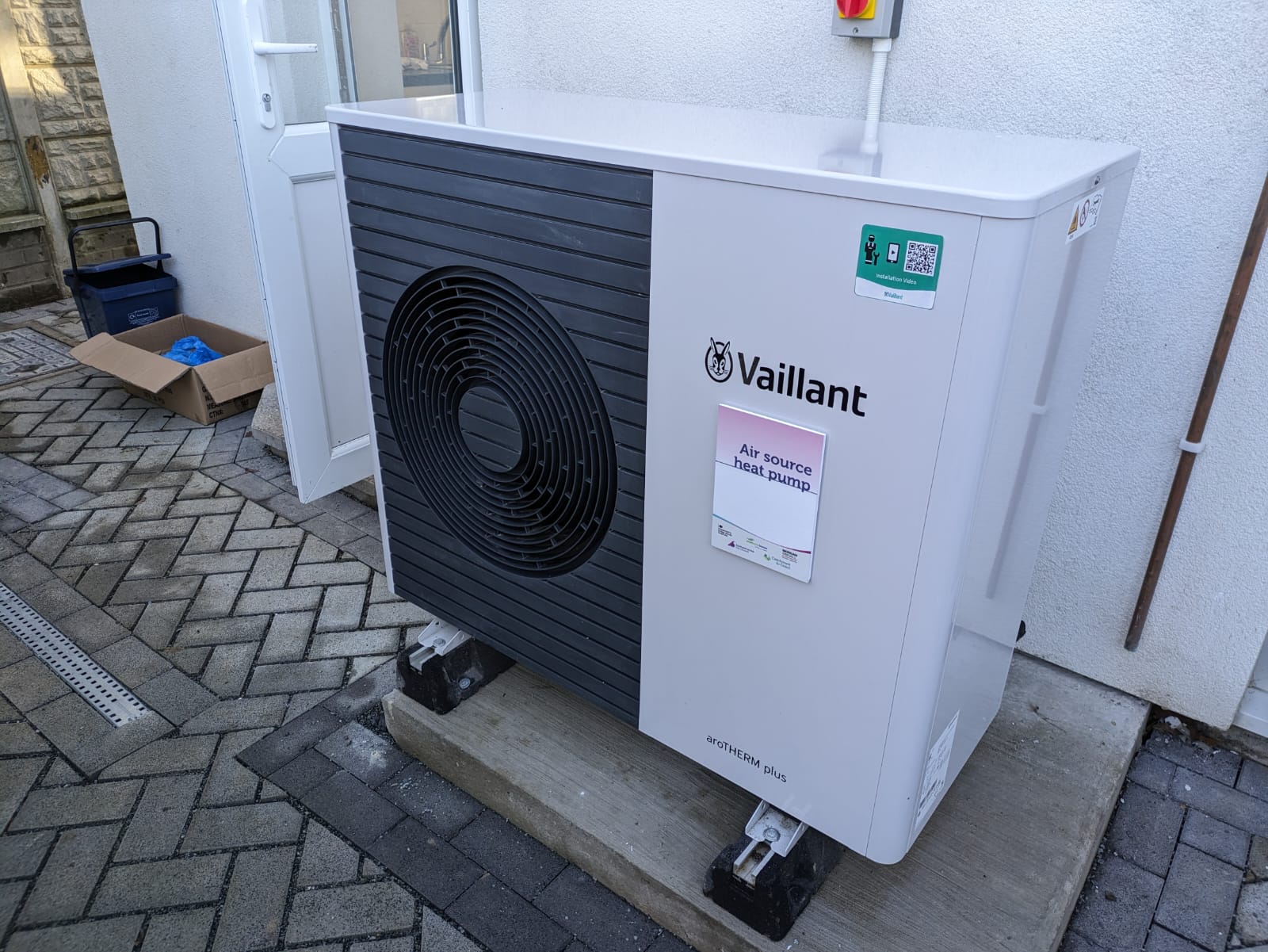
Heat pump rebates can lower upgrade costs, but the rules are not one-size-fits-all.
The smartest step is checking incentives before you choose equipment or sign a contract.
For 2025 projects, federal heat pump credits followed IRS and ENERGY STAR eligibility rules.
This guide shows where to look, what to document, and which mistakes can cost you the incentive.
Fast answer: how heat pump rebates worked in 2025
Heat pump rebates and incentives in 2025 came from several sources: federal tax credits, state energy offices, utility programs, local offers, and manufacturer or partner promotions.
The federal Energy Efficient Home Improvement Credit allowed eligible taxpayers to claim a credit for qualifying home energy improvements, including certain heat pumps and heat pump water heaters, subject to IRS rules and annual limits. The IRS page for the Energy Efficient Home Improvement Credit is the starting point for federal eligibility.
ENERGY STAR also published technology-specific guidance for air source heat pumps and heat pump water heaters, which helps homeowners understand the equipment standards tied to the federal credit.
State and local rebates were separate. The U.S. Department of Energy explains the broader Home Energy Rebates Program, while ENERGY STAR’s Rebate Finder and DSIRE can help you search by location and program type.
Why heat pump incentives matter before you buy
A heat pump is not just another appliance purchase. It can affect heating, cooling, water heating, electric load, installation work, and long-term energy use.
That is why the incentive check belongs near the start of the project. A homeowner may need a qualifying model, correct documentation, installer paperwork, proof of residence, income information for some programs, or a utility account tied to the home.
The practical payoff is simple: when you understand the rules early, you can ask better contractor questions, compare eligible equipment, and avoid assuming every efficient model automatically qualifies.
How the 2025 federal heat pump tax credit worked
The federal credit was a tax credit, not an instant discount at checkout. That distinction changes the timing, paperwork, and expectations.
For eligible 2025 improvements, homeowners generally needed to keep records, confirm equipment eligibility, and use IRS tax filing procedures. The IRS points taxpayers to Form 5695 for residential energy credits.
The IRS also maintains information about qualified manufacturers and qualified product identification numbers. A manufacturer listing is useful, but it should not be treated as proof that every product, installation, or household situation qualifies.
For heat pumps, ENERGY STAR’s federal tax credit pages are especially useful because they connect the credit to equipment categories and efficiency requirements. Check the relevant ENERGY STAR page for the type of heat pump you plan to install, then confirm the tax details with IRS guidance or a qualified tax professional.
Rebates, tax credits, and discounts are not the same thing
The word "rebate" often gets used loosely, but the timing and paperwork can be very different.
A tax credit is usually handled through a tax return. A utility rebate may be paid after approval, after installation, or through a contractor process. A state program may require income qualification, a reservation, an energy assessment, or a participating contractor. A manufacturer offer may follow its own promotional rules.
This is why stacking incentives is not automatic. One program may allow another incentive, while another may reduce the eligible cost after rebates. Read each program’s rules before assuming the final out-of-pocket cost.
What to check before choosing a heat pump
Start with the home, not the rebate headline.
First, identify the equipment category. Air source heat pumps, ductless mini-splits, geothermal systems, and heat pump water heaters can fall under different program rules. DOE’s overview of heat pump systems is a useful primer if you are still comparing technologies.
Second, check whether the incentive applies to your address. Use your state energy office, utility website, ENERGY STAR Rebate Finder, and DSIRE. Some offers are statewide, while others depend on the electric utility, gas utility, city, county, or ZIP code.
Third, ask whether approval is needed before purchase or installation. Some programs require pre-approval. Others may require a participating contractor or a submitted application within a specific window.
Fourth, keep model numbers, invoices, manufacturer certification statements when available, and contractor documentation. For federal tax credits, review IRS and ENERGY STAR guidance before filing.
Practical example: replacing an old HVAC system
Say a homeowner wants to replace an older central air conditioner and furnace with an air source heat pump.
The first check is federal: does the equipment category appear on ENERGY STAR’s heat pump tax credit guidance, and does the planned installation fit IRS rules for the credit year?
The second check is local: does the electric utility or state energy office offer a heat pump rebate for that address? If yes, does the program require pre-approval or a participating contractor?
The third check is documentation: will the contractor provide model numbers, invoices, and any program paperwork needed after installation?
That sequence is more reliable than starting with a rebate amount in an ad and trying to make the project fit later.
Common mistakes that can reduce an incentive
One common mistake is buying first and checking rules later. If a program requires pre-approval, the order of operations can matter.
Another mistake is assuming a high-efficiency heat pump always qualifies. Incentives may depend on specific equipment standards, product identifiers, installation details, or program lists.
A third mistake is mixing up tax credits and rebates. A federal tax credit may help at filing time, while a utility rebate may have its own application process and deadline.
Homeowners also sometimes forget that state and utility programs can change. A rebate found in a search result should be verified on the official program page before a purchase decision.
Cost context: what incentives can and cannot tell you
A rebate can reduce cost, but it is not a full project estimate.
Heat pump pricing can depend on home size, ductwork, electrical work, climate, installation complexity, contractor labor, and the equipment selected. A heat pump water heater has a different cost profile than a whole-home HVAC heat pump.
Incentives also do not guarantee savings. Energy use depends on the home, weather, fuel prices, thermostat settings, installation quality, and the system being replaced.
Use rebates and tax credits as one input in a broader decision: comfort, equipment fit, energy use, contractor quality, and documentation.
Best places to find heat pump rebates
For federal tax credit rules, start with the IRS Energy Efficient Home Improvement Credit page and the related IRS Form 5695 page.
For equipment-specific federal credit context, use ENERGY STAR’s pages for air source heat pumps and heat pump water heaters.
For state, territory, Tribal, and local program information, use DOE’s Home Energy Rebates pages, your state energy office, your utility, ENERGY STAR Rebate Finder, and DSIRE.
For site-specific next steps, compare broader rebate guides and local search tools before calling contractors.
Related articles
- Energy Rebates 2026: Your Complete Guide to Federal, State & Utility Savings
- Weatherization Rebates & Incentives Guide (2026)
- Energy Rebates by State: Find Programs in Your State
FAQ
Are heat pump rebates available everywhere?
No. Heat pump rebates can depend on your state, utility, city, income category, equipment type, and program funding. Check official program pages for your address.
Can I claim a federal tax credit and a utility rebate for the same heat pump?
Sometimes, but do not assume it. Program rules may affect eligible costs, documentation, and how incentives interact. Review IRS guidance and the rebate terms.
What paperwork should I keep for a 2025 heat pump tax credit?
Keep invoices, model numbers, product documentation, contractor records, and any manufacturer or program documents. IRS Form 5695 is the tax form page to review.
Do heat pump water heaters qualify for the same incentives as HVAC heat pumps?
They may qualify under different equipment rules. ENERGY STAR has separate federal tax credit guidance for heat pump water heaters and air source heat pumps.
Should I check rebates before hiring a contractor?
Yes. Some programs require pre-approval, participating contractors, or specific documentation. Checking first helps you ask the contractor the right questions.
Bottom line
Heat pump rebates and incentives can be valuable, but the details matter more than the headline amount.
For 2025 projects, use IRS and ENERGY STAR guidance for federal tax credit rules. For ongoing local help, check DOE resources, ENERGY STAR Rebate Finder, DSIRE, your state energy office, and your utility before you commit to equipment or installation.