
ENERGY STAR rebates can reduce upfront costs, but each offer depends on location, product type and sponsor rules.
Start with the ENERGY STAR Rebate Finder before you buy, schedule installation or choose a model.
Then open the sponsor page. That is where eligibility, dates, documents and application steps are defined.
This guide shows how partner offers fit with utility programs, state rebates and federal tax credits.
What ENERGY STAR Rebates Are
ENERGY STAR rebates and partner special offers are location-based offers connected to ENERGY STAR certified products. Depending on the product and area, they may come from utilities, program sponsors, retailers, manufacturers or other partners.
The practical starting point is the ENERGY STAR Rebate Finder. It lets you search by ZIP code and product category, then review offers that may be available near you.
The key word is "may." ENERGY STAR certification can be part of an offer’s requirements, but certification alone does not mean every product qualifies for a rebate. The sponsor’s current terms decide the details.
Treat the Rebate Finder as a discovery tool, not as final approval. Use it to find possible offers, then follow the sponsor link before you buy, schedule work or submit documents.
Why People Search Before They Buy
Most people look for ENERGY STAR rebates when a purchase is already close. A refrigerator stops working, a water heater is aging, an HVAC quote is on the table or a home project is moving from idea to budget.
That timing matters. Many offers have rules about purchase dates, product models, installation requirements, utility territory, application windows and required documentation. A rebate found after purchase may be less useful if the product, date or paperwork does not match the sponsor’s terms.
A good pre-purchase search can answer three practical questions:
- Is there an offer near my ZIP code for this product category?
- Which sponsor controls the rules and application process?
- What should I save before I buy or install?
Those answers make comparison easier. They also help you avoid treating a general rebate listing as a guaranteed discount.
ENERGY STAR Rebates, Utility Programs, State Rebates and Tax Credits
Several energy-savings programs can appear in the same search journey. They are related, but they are not the same thing.
ENERGY STAR partner offers are the offers you can start finding through the ENERGY STAR Rebate Finder. They are usually tied to certified product categories and local sponsor participation.
Utility and local sponsor programs may be run by electric utilities, gas utilities, state energy offices, local governments or other program administrators. The EPA’s local utilities and other program sponsors resource is useful background for understanding who may run energy-efficiency programs.
DOE Home Energy Rebates are a separate federal-state program area. The Department of Energy Energy Savings Hub explains that Home Energy Rebates are managed through states, territories or Tribes, with program details depending on the administering program.
Federal tax credits are different again. The IRS home energy tax credits page covers credits such as the Energy Efficient Home Improvement Credit and Residential Clean Energy Credit. A tax credit is not the same as a point-of-sale rebate, utility rebate or partner special offer.
DSIRE is another useful lookup source. The Database of State Incentives for Renewables & Efficiency can help you discover state, local, utility and policy incentives beyond a single ENERGY STAR search.
A Practical Way to Check ENERGY STAR Rebates
Start with the product category, not the rebate. If you are replacing a water heater, looking at a heat pump, comparing appliances or planning insulation work, identify the specific category first.
Then search the ENERGY STAR Rebate Finder by ZIP code. Review the product categories and offers that appear, but do not stop at the listing. Open the sponsor page and read the current terms.
Look for eligible model numbers, ENERGY STAR certification requirements, purchase dates, application deadlines, utility account rules, installation requirements and service-territory limits.
Before purchase, save the details that are easy to lose later: offer pages, product model numbers, retailer receipts, contractor invoices, installation dates and any forms listed by the sponsor.
For bigger projects, compare the ENERGY STAR offer with state, utility and DOE-related resources. If tax credits may be relevant, use IRS guidance separately instead of assuming the same rules apply.
Examples of How the Search Can Play Out
If you are buying a heat pump water heater, an ENERGY STAR search may point you toward offers in your ZIP code. The next step is checking the sponsor page for eligible models, purchase dates and application steps.
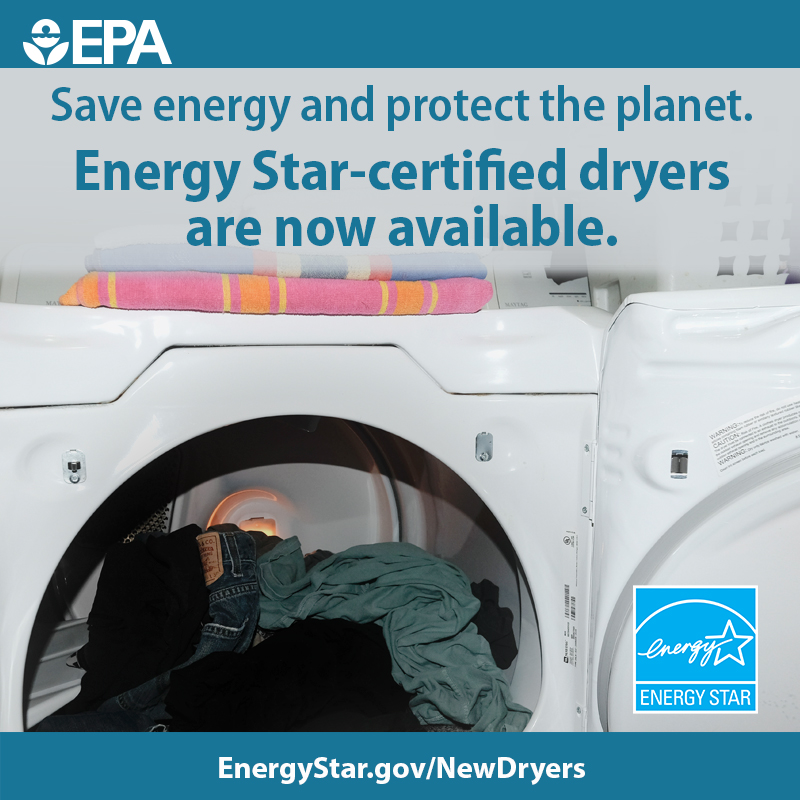
If you are replacing a refrigerator or clothes dryer, the search may help you spot local appliance offers before you choose a model. You still need to match the exact product and paperwork to the sponsor’s terms.
If you are comparing HVAC quotes, the rebate search can be one input alongside contractor estimates, state rebate information and tax-credit research. It should not be the only reason to choose a system.
If nothing appears in the ENERGY STAR tool, that does not prove no incentive exists anywhere. DSIRE, your utility, your state energy office and DOE resources may still be worth checking.
Common Mistakes With ENERGY STAR Rebates
The first mistake is assuming every ENERGY STAR certified product has a rebate. Certification can matter, but local sponsor participation and offer rules decide availability.
The second mistake is treating a ZIP-code result as approval. A search result is a lead. The sponsor’s application rules control what happens next.
The third mistake is confusing rebates with tax credits. Rebates, partner offers, utility programs, state-administered Home Energy Rebates and federal tax credits can all reduce costs in different ways, but they use different rules.
The fourth mistake is buying first and reading the terms later. Some offers depend on dates, eligible models, installation details or documentation that must be handled at the right time.
The fifth mistake is ignoring utility territory. A program may appear local but still depend on the account holder, service area or sponsor relationship.
When This Guide Should Be Updated
This topic changes when program tools, sponsor rules or government guidance changes. The article should be reviewed when ENERGY STAR changes the Rebate Finder, DOE updates Home Energy Rebates guidance, IRS updates home energy tax-credit guidance, DSIRE changes its incentive lookup experience or EPA updates program-sponsor guidance.
It should also be reviewed when major rebate programs change application windows, eligible product categories or public-facing sponsor rules. The durable advice remains the same: search broadly, then rely on the current sponsor or agency page for the action step.
Read More
For a broader state-focused next step, read Home Energy Rebates by State: What to Check Before You Apply.
FAQ
How do I find ENERGY STAR rebates near me?
Use the ENERGY STAR Rebate Finder and search by ZIP code. Then open the listed sponsor page to check eligible products, dates, documents and application steps.
Does every ENERGY STAR certified product qualify for a rebate?
No. ENERGY STAR certification can be part of an offer’s rules, but rebate availability depends on location, sponsor participation and current program terms.
Are ENERGY STAR rebates the same as federal tax credits?
No. Rebates and partner offers are separate from federal tax credits. Use IRS guidance for tax-credit rules and sponsor guidance for rebate applications.
What should I check before buying a product?
Check the eligible model, purchase window, application deadline, utility or service-territory rules, installation requirements and required documents before paying.
Where else can I look for energy incentives?
Check your utility, your state energy office, DOE’s Energy Savings Hub and DSIRE. These sources can reveal programs beyond the ENERGY STAR Rebate Finder.